
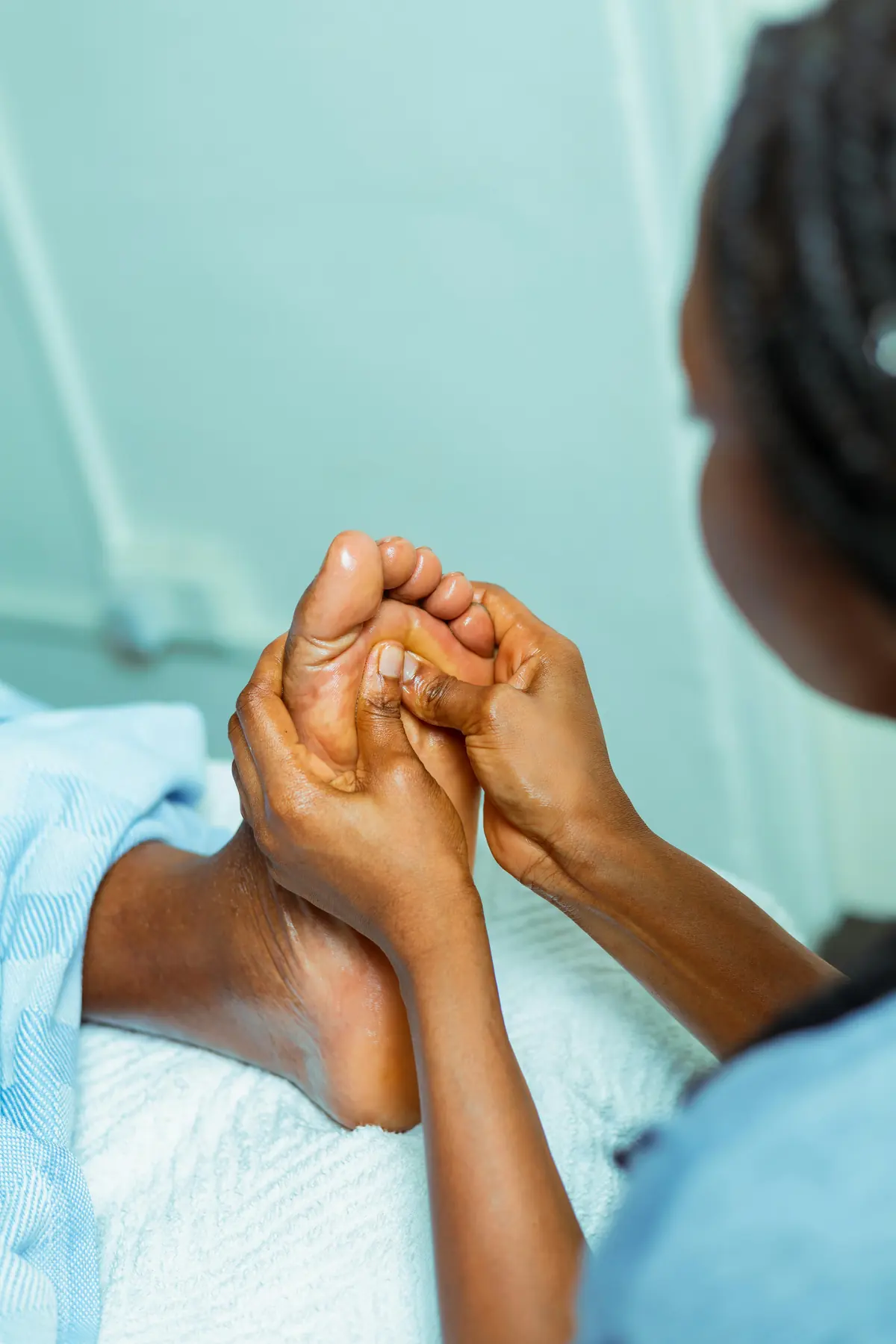
Foot reflexology is an ancient healing practice based on the principle that specific points on the feet correspond to different organs and systems throughout the body. By applying pressure to these reflex points, practitioners can promote healing, balance, and wellness in corresponding areas. Understanding how reflexology works and its benefits can help you decide if this therapy is right for you.
The theory behind reflexology is that the feet contain a map of the entire body. The toes correspond to the head and neck, the ball of the foot relates to the chest and heart, the arch connects to digestive organs, and the heel relates to the lower back and intestines. By stimulating these areas, reflexologists believe they can influence the health of corresponding body parts.
Stress reduction is one of the most immediate and noticeable benefits of foot reflexology. The feet contain thousands of nerve endings, and stimulating these through massage and pressure can trigger a relaxation response throughout the entire body. Many people find reflexology deeply calming and report improved sleep quality after sessions.
Improved circulation is another key benefit. Reflexology helps increase blood flow to the feet and throughout the body. Better circulation means more oxygen and nutrients reaching tissues, which supports healing and overall health. This can be particularly beneficial for people with poor circulation or those who spend long hours sitting or standing.
Pain relief is a common reason people seek reflexology. While it's not a substitute for medical treatment, many people find that reflexology helps reduce various types of pain, including headaches, back pain, and arthritis discomfort. The relaxation and improved circulation from reflexology may contribute to these pain-relieving effects.
Digestive support is another potential benefit. Reflexology points related to the digestive system can be stimulated to help with issues like constipation, bloating, and indigestion. While more research is needed, many people report improved digestive function with regular reflexology sessions.
Immune system support may be enhanced through reflexology. By promoting relaxation and reducing stress, reflexology may help support the body's natural immune function. Some practitioners also focus on specific reflex points believed to correspond to the lymphatic system and immune organs.
During a reflexology session, you can expect the therapist to work systematically through different areas of your feet, applying varying degrees of pressure. Some points may feel tender, which reflexologists interpret as indicating imbalance in the corresponding body area. The pressure should be firm but not painful – always communicate with your therapist about your comfort level.
For best results, consider regular reflexology sessions as part of your wellness routine. While a single session can provide relaxation and temporary relief, consistent treatment may offer more lasting benefits. Many people find that weekly or bi-weekly sessions help them maintain better overall wellness and manage chronic issues more effectively.