
Aromatherapy massage combines the therapeutic benefits of massage with the healing properties of essential oils. This holistic approach addresses both physical and emotional wellness, offering benefits that go beyond traditional massage. Understanding how aromatherapy works and which oils are best for different needs can help you get the most from this therapeutic practice.
Essential oils are concentrated plant extracts that contain the aromatic compounds and therapeutic properties of their source plants. When used in massage, these oils are diluted in a carrier oil and applied to the skin, where they're absorbed into the bloodstream. The aromatic molecules also stimulate the olfactory system, which is directly connected to the limbic system in the brain – the area that controls emotions, memory, and stress responses.
Lavender is one of the most popular essential oils for massage, known for its calming and relaxing properties. It's excellent for reducing stress and anxiety, promoting better sleep, and soothing muscle tension. Lavender is gentle enough for most people and is often recommended for first-time aromatherapy massage clients.
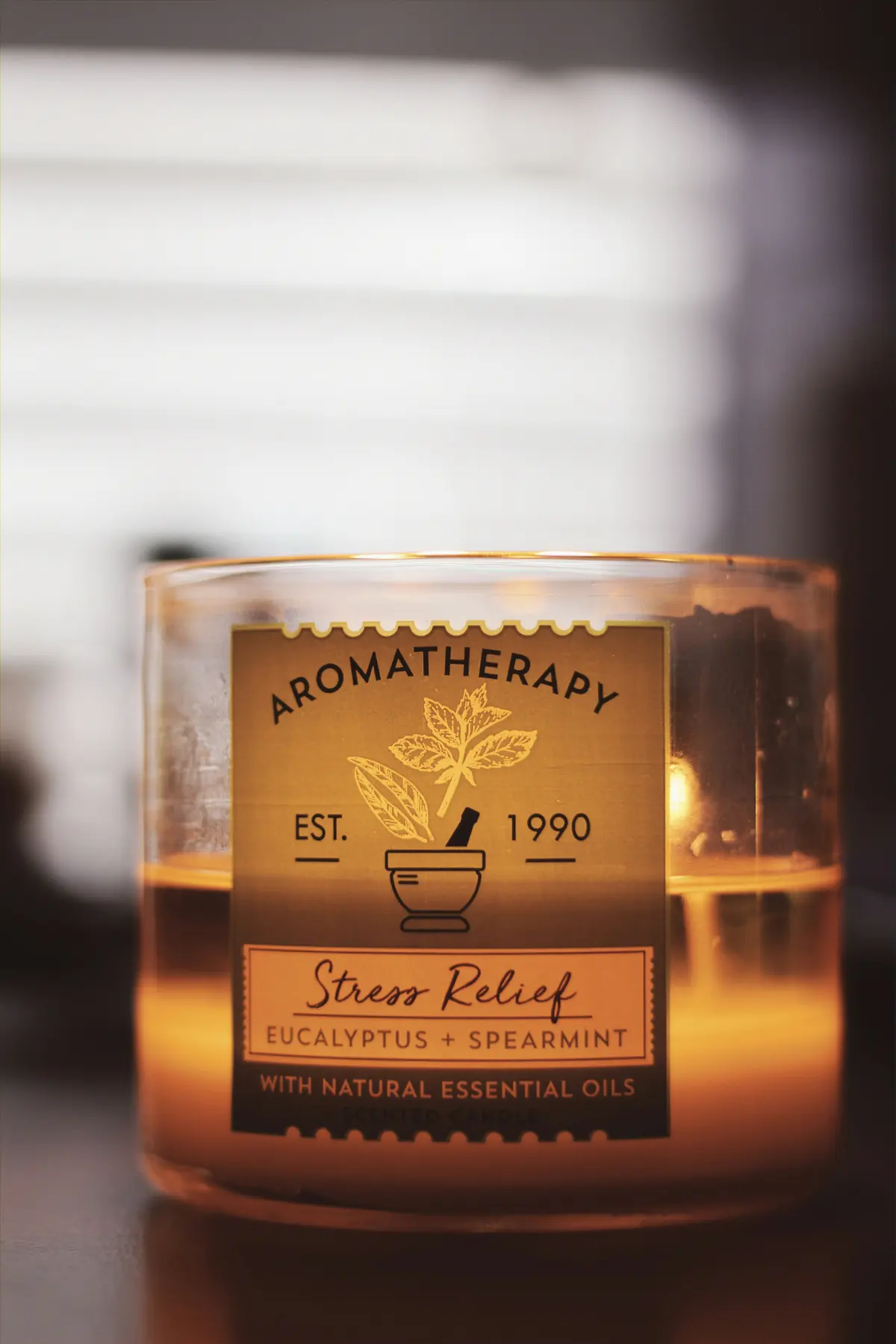
Eucalyptus oil is valued for its respiratory benefits and cooling sensation. It can help clear congestion, ease breathing, and provide relief from muscle aches. Eucalyptus is particularly beneficial during cold and flu season or for people with respiratory issues. Its invigorating scent can also help improve mental clarity and focus.
Peppermint oil offers a refreshing, energizing effect. It's excellent for relieving headaches, improving mental alertness, and soothing digestive discomfort. The cooling sensation of peppermint can also help ease muscle soreness and tension. However, it should be used in moderation as it can be quite strong.
Chamomile oil is known for its gentle, soothing properties. It's particularly good for sensitive skin and can help reduce inflammation, ease anxiety, and promote relaxation. Chamomile is often chosen for evening massages to help prepare for restful sleep.
Ylang-ylang oil has a sweet, floral scent that's deeply relaxing and can help reduce stress and anxiety. It's also believed to have aphrodisiac properties and can help balance emotions. Ylang-ylang is often used in romantic or deeply relaxing massage sessions.
Rosemary oil is stimulating and can help improve circulation, ease muscle pain, and enhance mental clarity. It's a good choice for morning massages or when you need an energy boost. Rosemary is also believed to support memory and concentration.
During an aromatherapy massage session, your therapist will typically offer a selection of essential oils and help you choose based on your needs and preferences. The oils are blended with a carrier oil (like sweet almond or jojoba oil) before being applied to your skin. The massage techniques used are similar to Swedish massage, with the added benefit of the therapeutic essential oils.
Safety considerations are important with aromatherapy. Essential oils are potent and should always be diluted before skin application. Some oils may cause allergic reactions or skin sensitivity in certain people. Pregnant women should avoid certain essential oils. Always inform your therapist of any allergies, sensitivities, or health conditions before your session.
For best results, consider making aromatherapy massage a regular part of your wellness routine. Different oils can be chosen based on your current needs – lavender for stress relief, eucalyptus when you're feeling congested, peppermint for headaches, or a custom blend for your specific wellness goals. The combination of massage and aromatherapy offers a holistic approach to health that addresses both body and mind.